


Transform your home with expert craftsmanship! From loft conversions and home extensions to roof repairs and plastering, we offer full-scale building and renovation services across London, Berkshire, Slough, Bracknell, and Reading. Whether you're upgrading or expanding – we’ve got you covered.
Book A Free Consultation
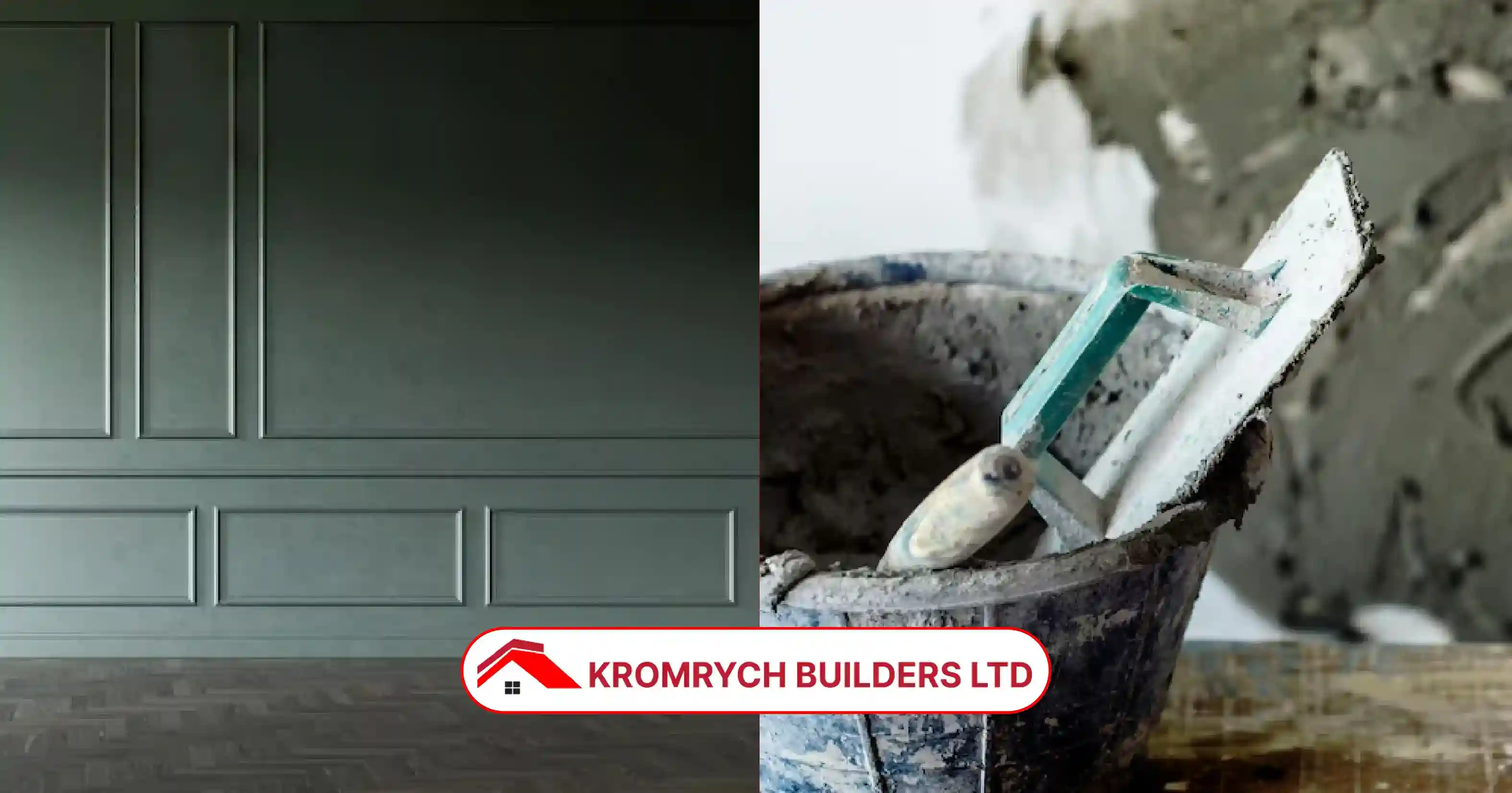
Rendering And Plastering: See The Differences
In the aspect of home improvement, there are two words that keep on rearing their heads in construction and in renovations; one term is rendering, and the other term is plastering. In as much as they are both methods that are adopted to enhance the look and feel of the walls that we have, they do not have a common purpose and particularly when the walls are being applied to the interior and exterior. Working as practitioners in Kromrych Builders, we already know how it is easy to get confused with these two terms, so without further ado, we shall discuss the differences between the two terms and offer some understanding as to when and why you need to apply either one of the terms.
Rendering is referred to as a process whereby coating of material, e.g. cement, acrylic, lime is added on the external walls of a structure. The primary goal of rendering is to prevent weathering of the structure besides making it more appealing. The rendering on the exterior also gives it a smooth surface which can be painted and look more polished and complete.
The plastering on the contrary is an interior surface technique. Plastering material is used layer by layer over the walls and the ceilings to form the smooth durable surface. It has also a very functional role that enhances thermal and acoustic insulation. Plastering may be emploied as a preparation of painting or wallpapering.
|
Feature |
Rendering |
Plastering |
|
Location of Use |
Exterior walls |
Interior walls and ceilings |
|
Materials Used |
Cement, acrylic, lime (thicker) |
Gypsum, cement, lime (finer) |
|
Purpose |
Protects from weather, enhances appearance |
Smooth, paintable finish for interiors |
|
Durability |
Durable, weather-resistant |
Less durable, indoor use only |
|
Finish |
Textured or smooth |
Smooth, even surface |
|
Exposure to Elements |
Can withstand weather |
Not suitable for outdoor exposure |
|
Insulation |
Limited insulation, weatherproofing |
Improves indoor thermal and sound insulation |
|
Application |
Thicker layers, weather protection |
Thinner layers, fine finish |
A rendered wall is a wall that has been covered with layer of rendering. This may be applied to both new buildings and older buildings to enhance the exterior grounds and shield it against the environment. Another way of improving the insulation of a property is the use of rendered walls which provides a second line of defence against moisture.
A rendered wall may be smooth finish achieved by using cement render or more ornate with textured effects achieved by a variety of rendering techniques. One of the factors that makes rendering a preferred option to improve the aesthetic and utility of a building is versatility of rendered walls.
Talking about the render, people mean the material itself, which is used to cover the walls and establish the rendered effect. The verb render may indicate rendering, that is, the plaster or cement mixture, and also the actual act of applying the mixture to the surfaces.
The use of plaster or render are interchangeable words in most occasions, particularly in the case of decorative products. But as we have seen, rendering is usually related to external uses but plastering is restricted to interior walls and ceilings.
At certain situations rendering and plastering may also be combined to get the finest outcomes. E.g., an exterior wall may be rendered to be weatherproof and, probably, to look pretty, whereas inside walls of the same building are plastered to be smooth and ready to receive a coat of paint. These two processes make the building seamless in terms of appearance both internally and externally.
In our company Kromrych Builders, we have ended up serving a customer Mr. Davidson who required both plastering and rendering services to his new house. The weather had ravaged the outside part and the inside had to be smoothened and ready to paint. We deemed it appropriate that we use cement render in the exterior, and use a gypsum plaster in an endeavour to have a smooth, elegant look on the interior.
The transition was amazing. Mr. Davidson emphasized that he was thrilled with the beautifully rendered wall that greatly helped in increasing the curb appeal of his house and the plastering that took care of the interior and provided the perfect blank canvas for his personal decoration.
The process of rendering and plastering is different; hence, getting to know the difference can aid you in coming to the right decision for your building project. Although both methods result in the development of a smooth finished surface, rendering is applied on the exterior walls to prevent wear and tear from the weather conditions, and plastering is applied on the interior walls to attain a polished finish. Renovating your house or building a new house does not mean that you are done, as Kromrych Builders will be at your service by offering expert work regarding rendering and plastering requirements to fit your type of project.
Ready to bring your home vision to life? Our experienced team delivers top-quality construction, repairs, and refurbishments in London, Berkshire, Slough, Bracknell, and Reading - on time and within budget. Let’s turn your ideas into reality today!
Book A Free Consultation